

How Often Should You Get an Oil Change?

It’s one of the most common questions we hear at the service counter here at Gates of Elkhart, and honestly, it’s a fair one. The old “every 3,000 miles” rule stuck around for decades, but engines have changed a lot since then. So, how often should you get an oil change today? The short answer: it depends on your vehicle, the oil it uses, and how you drive. Let’s break it down.
Key Takeaways
- Most modern vehicles go 5,000–7,500 miles between oil changes; full synthetic can often reach 10,000.
- Your owner’s manual and oil life monitor are your most reliable guides.
- Synthetic oil lasts longer and handles extreme temperatures better than conventional.
- Dark, gritty oil, engine knocking, and warning lights signal it’s time for service.
- Skipping oil changes can cause sludge, overheating, and costly engine damage.

So, How Often Should You Really Change Your Oil?
For most drivers, the answer lands somewhere between 5,000 and 7,500 miles. That’s the sweet spot for most newer cars, trucks, and SUVs. But oil change interval miles aren’t one-size-fits-all.
Your owner’s manual is the best starting point. Automakers set intervals based on extensive testing, and many newer vehicles have an oil life monitor that tracks driving conditions to tell you exactly when service is due.
Driving habits matter, too. Do you spend a lot of time in stop-and-go traffic? Tow a boat to the lake on weekends? Make lots of short trips where the engine never fully warms up? Those count as “severe” conditions, and they shorten your interval. Northern Indiana winters don’t help either, since cold starts are tough on oil.

Conventional vs. Synthetic Oil: Which Does Your Vehicle Need?
The type of oil in your engine plays a huge role in your schedule. When it comes to conventional vs. synthetic oil change intervals, the gap is pretty significant.
Conventional oil is refined from crude oil. It’s affordable and works fine in many older engines, but it breaks down faster. Synthetic oil is engineered to resist heat, flow better in the cold, and last much longer. A typical synthetic oil change interval is 7,500 to 10,000 miles, and some manufacturers recommend even longer intervals.
Here’s a quick oil change mileage guide to keep handy:
| Oil Type | Typical Interval | Best For |
|---|---|---|
| Conventional | 3,000–5,000 miles | Older engines, light driving |
| Synthetic Blend | 5,000–7,500 miles | Everyday drivers wanting added protection |
| Full Synthetic | 7,500–10,000+ miles | Newer, turbocharged, or high-performance engines; towing |
Many newer engines actually require full synthetic, so switching isn’t optional. Not sure what’s in yours? Our service team can check in a minute.
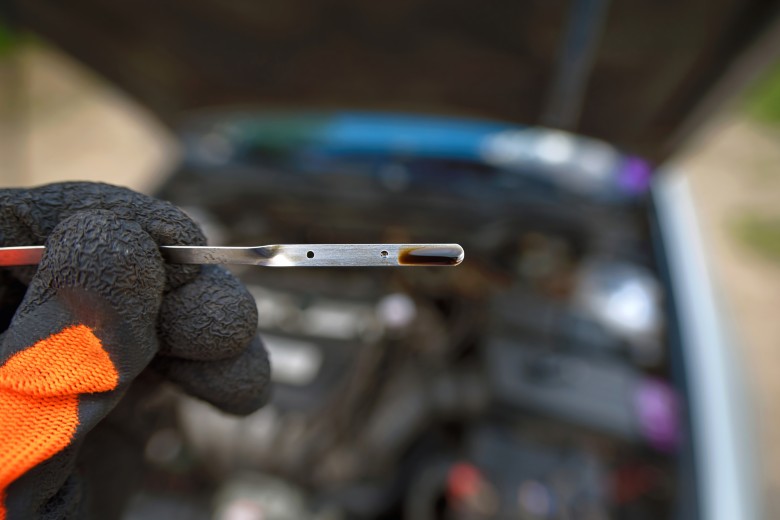
What Are the Signs You Need an Oil Change?
Even if you’re tracking mileage, your vehicle often drops hints. Watch for these signs you need an oil change:
That last one surprises people. Oil degrades over time, not just with miles.

Why Regular Oil Changes Are Worth It
Fresh oil does more than most drivers realize. It lubricates moving parts, dissipates heat, and traps debris before it grinds against metal surfaces.
Staying on schedule means better fuel efficiency, smoother performance, and a longer engine life. It also helps protect your warranty and boosts trade-in value with a clean service history. Plus, every visit gives a technician the chance to spot small problems, like a worn belt, before they become big ones.

What Happens If You Don’t Change Your Oil?
Here’s where things get expensive. So, what happens if you don't change your oil? Over time, it breaks down and turns into sludge. Sludge can’t lubricate properly, so friction builds and the engine runs hot.
Let it go long enough, and you’re looking at warped components, a blown head gasket, or even a seized engine. That’s a repair bill in the thousands.
Drivers often ask, “How long can you go without an oil change before real damage sets in?” There’s no exact number, but even a few thousand miles past your interval adds real stress. Why gamble over a service that takes less than an hour?

Frequently Asked Questions
How long does an oil change take?
Most oil changes take about 30 to 45 minutes. If you’re adding a tire rotation or multipoint inspection, plan for a little extra time.
Can I switch from conventional to synthetic oil?
Yes. Switching to synthetic is safe for most engines and often a smart upgrade. Just check your owner’s manual for the correct oil viscosity first.
Should I change my oil based on miles or months?
Go with whichever comes first. Even if you don’t drive much, most automakers recommend an oil change at least every six to twelve months.
Does the oil filter need to be replaced every time?
In most cases, yes. A fresh filter keeps contaminants out of your new oil, and it’s a standard part of a complete oil change.
Is topping off my oil the same as changing it?
No. Topping off brings the level back up, but it doesn’t remove the dirt and sludge already in the old oil. It’s a short-term fix, not a substitute.
Contact
Hours
- Monday9AM - 8PM
- Tuesday9AM - 6PM
- Wednesday9AM - 6PM
- Thursday9AM - 8PM
- Friday9AM - 6PM
- Saturday9AM - 5PM
- SundayClosed